

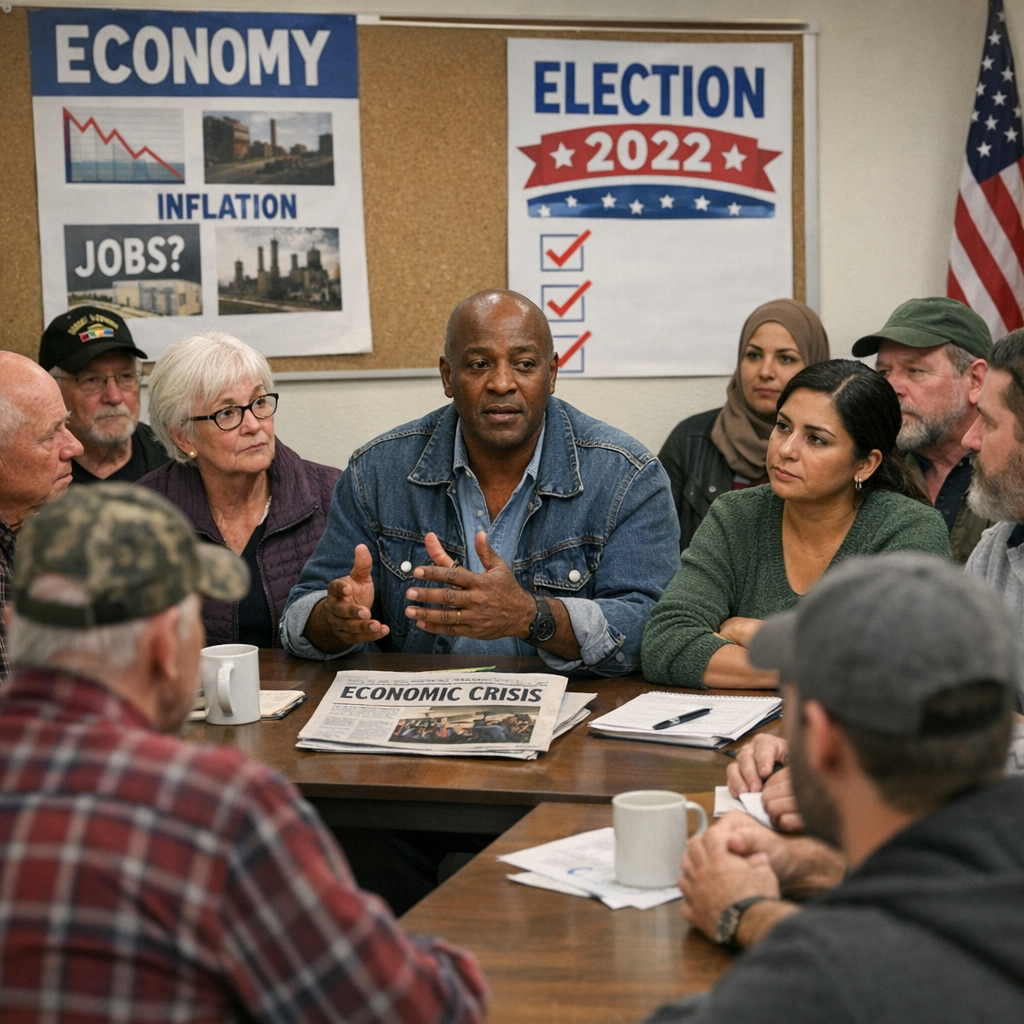
The United States is experiencing notable shifts in both its economic performance and political affiliations, reflecting a dynamic national landscape.
Economic Overview
In the first quarter of 2026, the U.S. economy expanded at an annualized rate of 2%, rebounding from a sluggish 0.5% growth in the previous quarter. This recovery was largely attributed to the resolution of a 43-day federal government shutdown, which had previously dampened economic activity. Federal spending increased significantly during this period, contributing over half a percentage point to the GDP growth. However, the economic outlook remains uncertain due to geopolitical tensions, notably the conflict in Iran, which has led to a blockade of the Strait of Hormuz, intensifying energy prices and inflation.
Consumer spending, a key driver of the economy, slowed to 1.6% in the first quarter, with declines in both goods and services expenditures. This trend reflects financial pressures on middle and moderate-income households. Conversely, business investment surged by 8.7%, driven by growth in artificial intelligence sectors, while residential investment declined for the fifth consecutive quarter, down 8%.
Political Landscape
On the political front, a record-high 45% of U.S. adults identified as political independents in 2025, surpassing previous highs. This shift indicates a growing segment of the population distancing itself from traditional party affiliations. Despite this trend, the overall political orientation of the U.S. public remains evenly divided, with 46% identifying with or leaning toward the Republican Party and an equal percentage aligning with the Democratic Party.
These developments underscore the evolving nature of the U.S. political landscape, with increasing numbers of individuals seeking alternatives to the traditional two-party system.
As the nation navigates these economic and political shifts, it is crucial for policymakers and citizens alike to stay informed and engaged, ensuring that the United States continues to adapt and thrive in an ever-changing global environment.