

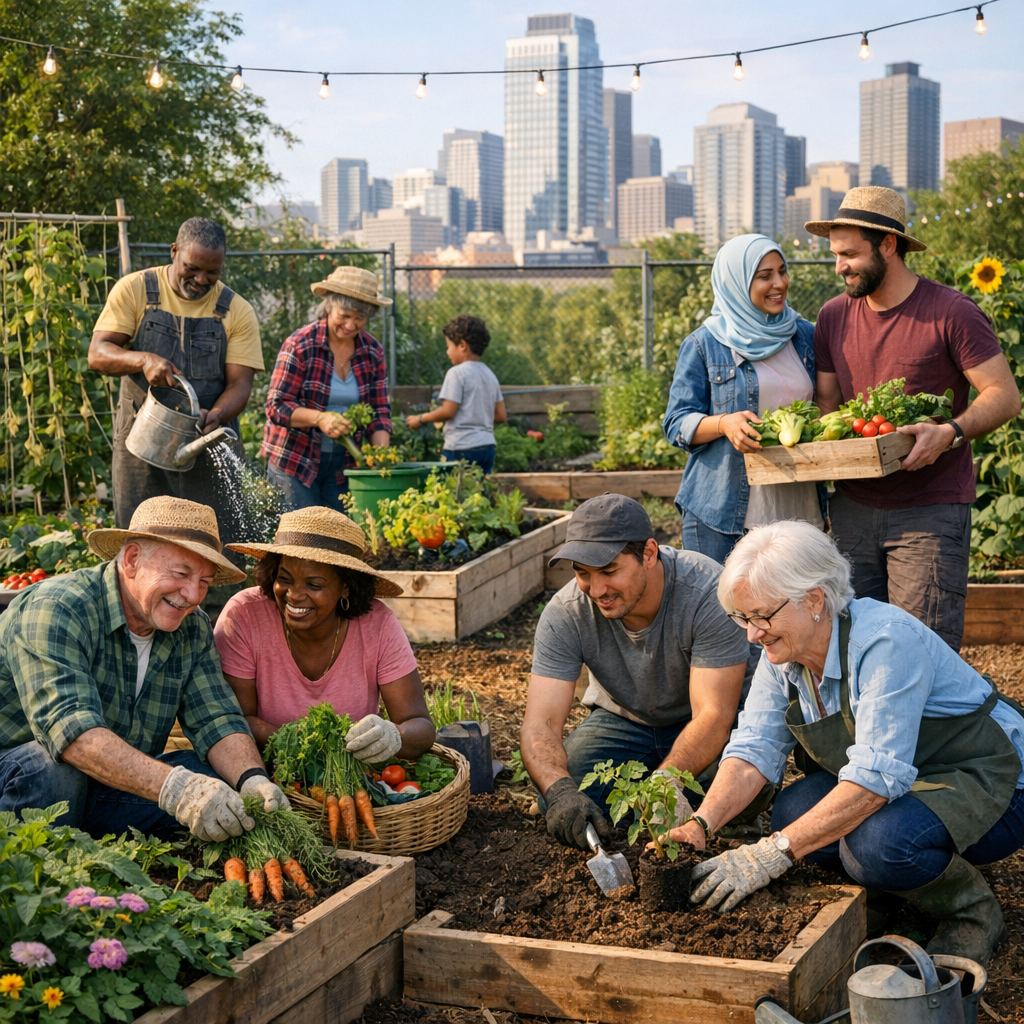
In the heart of West Hill, Albany Victory Gardens is quietly transforming vacant lots into spaces of shared purpose. The garden program gives local families free plots, tools, seeds, compost, and access to water—all with a vision not just of plants, but of dignity, health, and neighborhood pride. The soil isn’t the only thing growing here.
More Than Greenery
For many gardeners, tending a plot is interwoven with restoring connections—to family recipes, cultural practices, and the land itself. Those raised beds rarely stay tucked away in solitude. Neighbors pass on seeds, swap gardening tips, share surplus produce over fences, and build friendships across generations. In a community where financial pressures can pile up quickly, these are low-cost ways to build something both nourishing and uplifting.
Nourishing Health and Nutrition
Access to fresh fruits and vegetables remains a challenge in many parts of Albany, especially in neighborhoods where grocery stores are limited and produce can be pricey. Victory Gardens help bridge that gap by growing food locally. Beyond the plot, they offer education—about soil, composting, seasonal planting—empowering people to eat better, even on tight budgets.
Resilience Through Ownership</
Vacant, neglected lots often carry the weight of neglect—overgrowth, litter, uncertainty. Turning them into gardens reclaims that space. It shifts the narrative from desolation to possibility. When garden beds take root, so does a sense of ownership. Public safety improves when neighbors feel invested; local crime and vandalism often recede when places are cared for, tended, and beautiful.
Challenges and Unfinished Soil
Of course, gardening isn’t without its struggle. Plots need water, tools, soil amendments. Sustained support from nonprofits or city agencies can fluctuate, leaving some efforts vulnerable. And while the Victory Gardens offer free tools and seeds, time remains a barrier—people balancing work, family, other obligations can find consistent care difficult.
Sowing Seeds for the Future
Looking ahead, Albany recognizes gardens as critical to food equity and urban resilience. City plans call for expanding community gardens, reclaiming vacant lots, and integrating local food production into school programs. These aren’t side projects—they’re essential parts of a vibrant, more just city.
What we grow together matters. When every plank and seed shared becomes part of a community’s story. In West Hill and beyond, Victory Gardens are planting more than vegetables: they’re planting hope.