

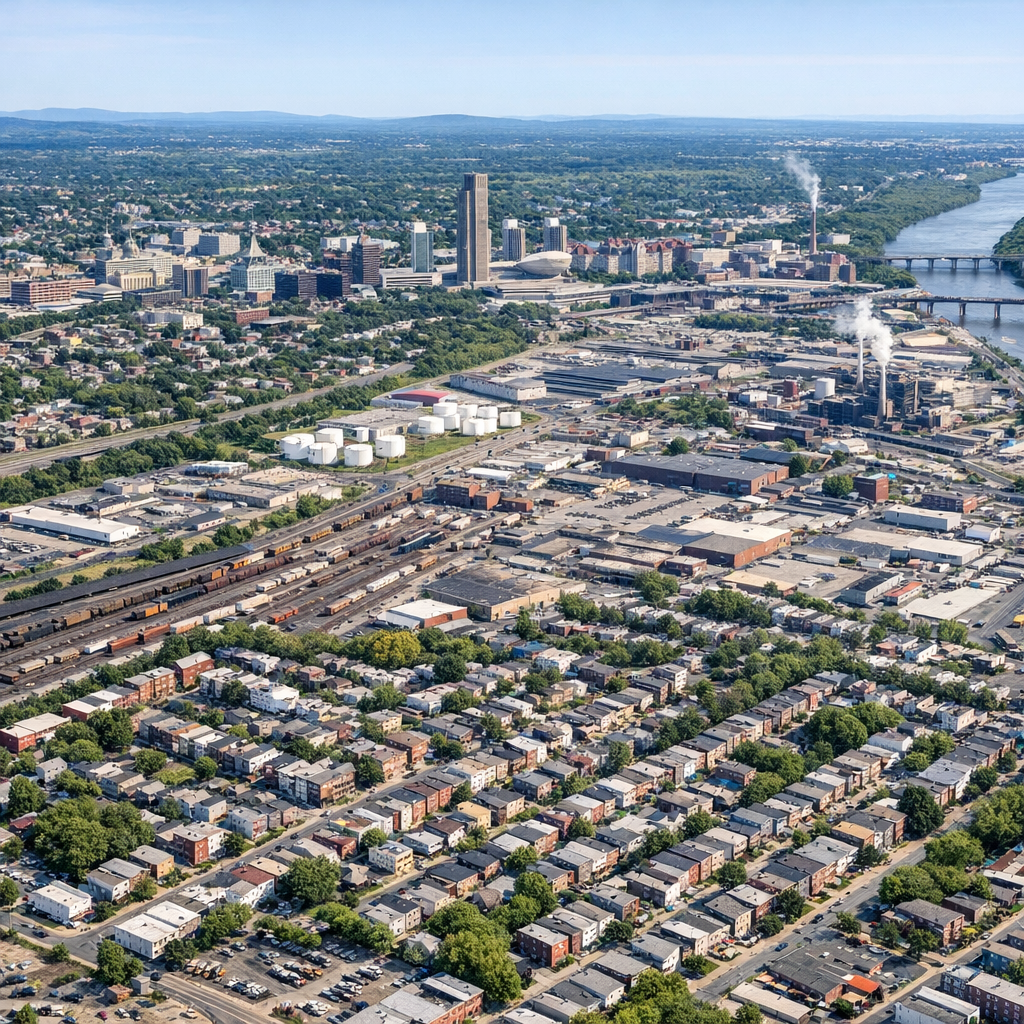
Albany, New York, is a city rich in history and culture, but like many urban areas, it faces challenges that impact its residents’ quality of life. Recent community surveys and reports have highlighted key issues that citizens are eager to address, including crime, housing conditions, and environmental concerns.
Crime and Public Safety
Many Albany residents have expressed concerns about crime and public safety. Issues such as car break-ins, stolen mail, and open drug use have been reported, leading to a call for a stronger police presence and faster response times. Some community members have also advocated for changes to cashless bail laws, believing that they allow repeat offenders back onto the streets too quickly. These concerns have affected how often residents go out and where they choose to spend their time, impacting local businesses and community events.
Housing and Environmental Health
Housing conditions, particularly in older neighborhoods, have raised significant health concerns. In the West Hill area, nearly one in four children tested had elevated lead levels in their blood, pointing to widespread contamination from deteriorating pre-1978 housing with lead paint, old water pipes, and even imported goods like spices. Local organizations, often lacking adequate resources, struggle to respond effectively. A new statewide rental registry aims to inspect and clear units of lead hazards every three years, but enforcement gaps and repeated violations at the same properties have slowed progress.
Environmental Concerns
Environmental issues also weigh heavily on the community. In the South End, residents have long reported diesel odors, soot on windowsills, and disruptive late-night truck activity. The area is situated at the intersection of major transportation and industrial corridors, including Interstate 787, active rail lines, and marine traffic on the Hudson River. To address these concerns, the New York State Department of Environmental Conservation engaged with the local community and deployed monitoring equipment. The study documented pollution spikes tied to 1,700 diesel trucks per day along South Pearl Street, prompting anti-idling enforcement actions and informing state truck-management discussions near the Port of Albany.
Community Initiatives and Future Steps
In response to these challenges, community-driven initiatives are underway. The Downtown Albany Strategy, part of the $400 million Championing Albany’s Potential (CAP) initiative, includes funding for transportation improvements, enhancements to parks, public spaces, and neighborhood amenities. Developed with input from thousands of residents, workers, students, business owners, and community leaders, the strategy reflects extensive public engagement and represents a vision for new economic growth guided by community priorities.
Addressing these multifaceted issues requires a collaborative approach involving residents, local organizations, and government agencies. By fostering open communication and implementing targeted strategies, Albany can work towards creating a safer, healthier, and more vibrant community for all its residents.