

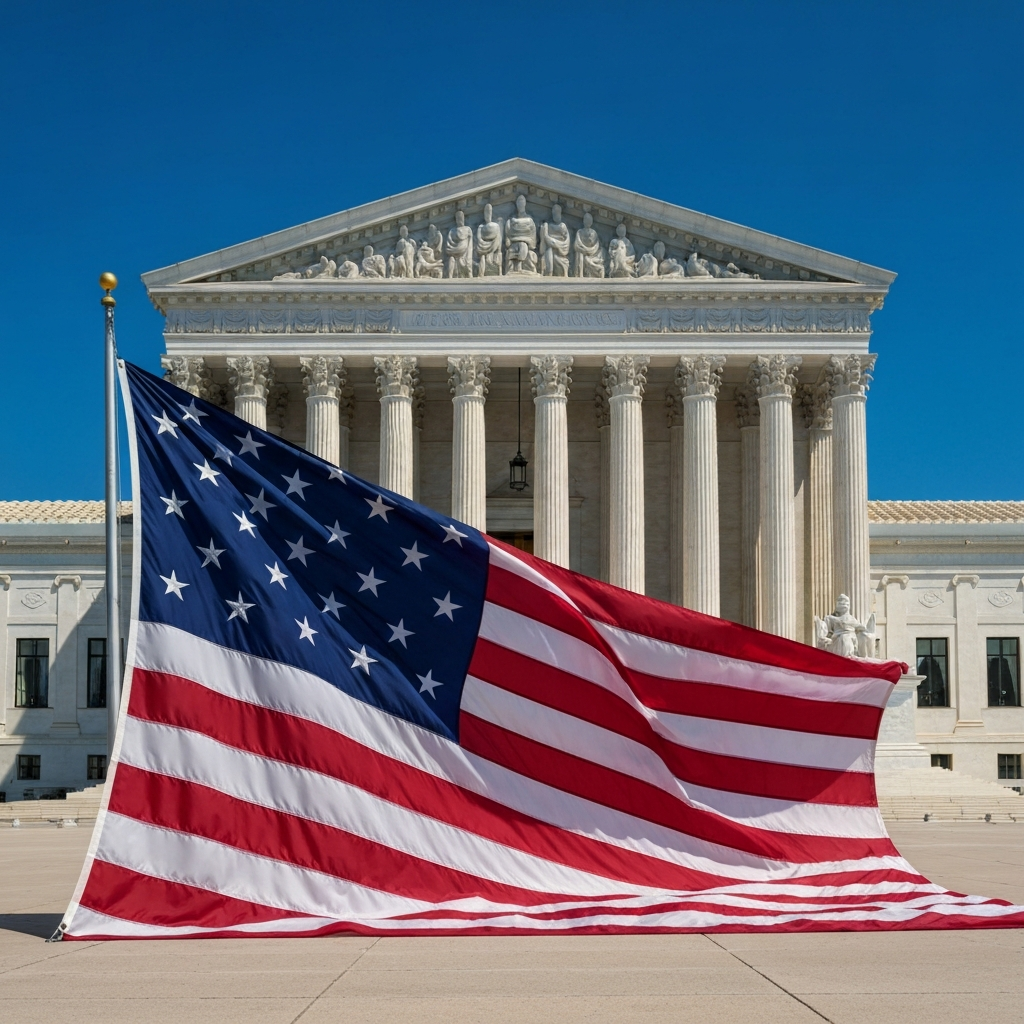
The Supreme Court recently delivered a pivotal ruling concerning Temporary Protected Status (TPS), a program that offers temporary legal status to individuals from countries experiencing armed conflict, natural disasters, or other extraordinary conditions. This decision has profound implications for many immigrants residing in the United States.
Background on Temporary Protected Status
Established in 1990, TPS allows individuals from designated countries to live and work in the U.S. without fear of deportation. The status is granted to nationals of countries facing conditions that temporarily prevent their safe return.
The Supreme Court’s Decision
In a closely watched case, the Supreme Court ruled on the administration’s authority to terminate TPS for certain countries. The decision centered on whether the executive branch has the discretion to end TPS designations without congressional approval.
Implications of the Ruling
The ruling has sparked a range of reactions. Supporters argue that it reinforces the administration’s ability to manage immigration policy effectively. Critics, however, express concern over the potential for mass deportations and the disruption of lives for those who have established roots in the U.S.
Local Impact in Albany
Albany, like many cities across the nation, is home to a diverse immigrant population, including individuals who have benefited from TPS. Community organizations and local leaders are assessing the ruling’s impact and exploring ways to support affected residents.
Looking Ahead
As the legal and political landscapes continue to evolve, it is crucial for TPS holders and their advocates to stay informed about their rights and any forthcoming policy changes. Community support and legal resources will play vital roles in navigating the challenges ahead.